
GREETINGS FROM INDIA!
Sahara and I have been in India since mid-January and over these months I have spent many hours completing a new online frame drumming course – and I do mean, MANY hours! The course, KANJIRA FUNDAMENTALS, is very special to me as it represents the culmination of many years of planning and focused work, and I’m really pleased it’s finally available online!

A LONG ROAD WITH A SMALL DRUM
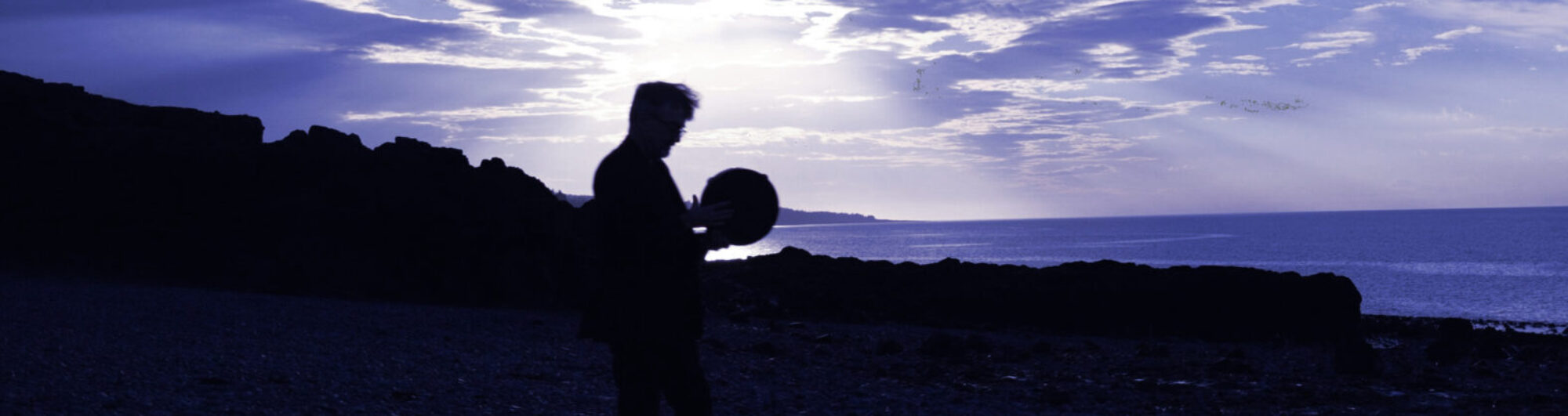
My journey with the kanjira started back in the mid-90’s when I was studying intensely with my guru, the South Indian master musician, Professor Trichy Sankaran. I originally began learning the mrdangam (the double-headed barrel drum that Sankaran-sir specializes in), and at some point I made the switch to the kanjira, which is a small but mighty frame drum with one set of jingles, and which is traditionally covered in lizard skin.
A UNIQUE TYPE OF FRAME DRUM
As a “frame drum”, the kanjira is unique in a few distinct ways from the other frame drums I play. Foremost is the lightweight portability of the drum. I can literally bring it anywhere! The tonal flexibility of the drum head allows for much more melodic playing and a ‘punchier bass’ sound than other frame drums. Also, the Carnatic (South Indian classical) rhythmic repertoire which is available for kanjira is extensive and exciting.

THE CHALLENGE AND THE REWARDS
The most challenging thing about kanjira is the fact that all the drum strokes are played with one hand – and it was this particular challenge (and the years of struggle it gave me) which inspired me to create this new course. I began compiling lessons for the course the last time I was in India in early 2020. I started by creating a series of practice lessons and loops which were designed to build strength and stamina without the extra intellectual challenge of also learning Carnatic repertoire at the same time.
As time went on, I realized over and over that, in addition to strong technique, access to traditional Carnatic rhythmic material is essential for a full appreciation of the kanjira, so I greatly expanded the lessons and the practice sequences to include detailed explanations and demonstrations of many beautiful rhythmic concepts which Prof. Sankaran has shared with me over time, including exercises which explore tala, konakkol, yati, mora, nadai, sarvalaghu, korvai, and more!

A VERY COMPREHENSIVE COURSE
If you’ve been following my online frame drum offerings, you’ll know I have two courses available in lap-style frame drum – the BFD (Beginner frame drum) and the BBFD (Beyond the basics frame drum). This new one, KANJIRA FUNDAMENTALS, is the largest and most ambitious one I’ve done so far, which is why it’s taken me so long to complete!
The course is divided into four units – Fundamentals, Technique Builders, Carnatic Repertoire 1, and Carnatic Repertoire 2. There are over 6 hours of detailed lesson videos and playalong practice videos, as well as downloadable PDF notations for all the exercises and compositions taught in the course, plus a bonus set of “metronome loops” in three talas (and at different speeds) to aid your personal practice.
Registration is a one-time fee, which gives you lifetime access to all the video and printed material. And there is also a chat function on my Podia site if you have questions for me while you’re working through the course.
QUESTIONS?
Whether you’re interested in picking up the kanjira for the first time or if you’re looking forward to deepening your existing technique and practice, KANJIRA FUNDAMENTALS is designed to give you a full and rewarding journey into this awesome little frame drum from South India!
You can visit my Podia site for more info, to view some sample lessons from the course, or to register.
https://kenshorley.podia.com
Please let me know if you have questions, and I hope this message finds you well.
cheers,
Ken
